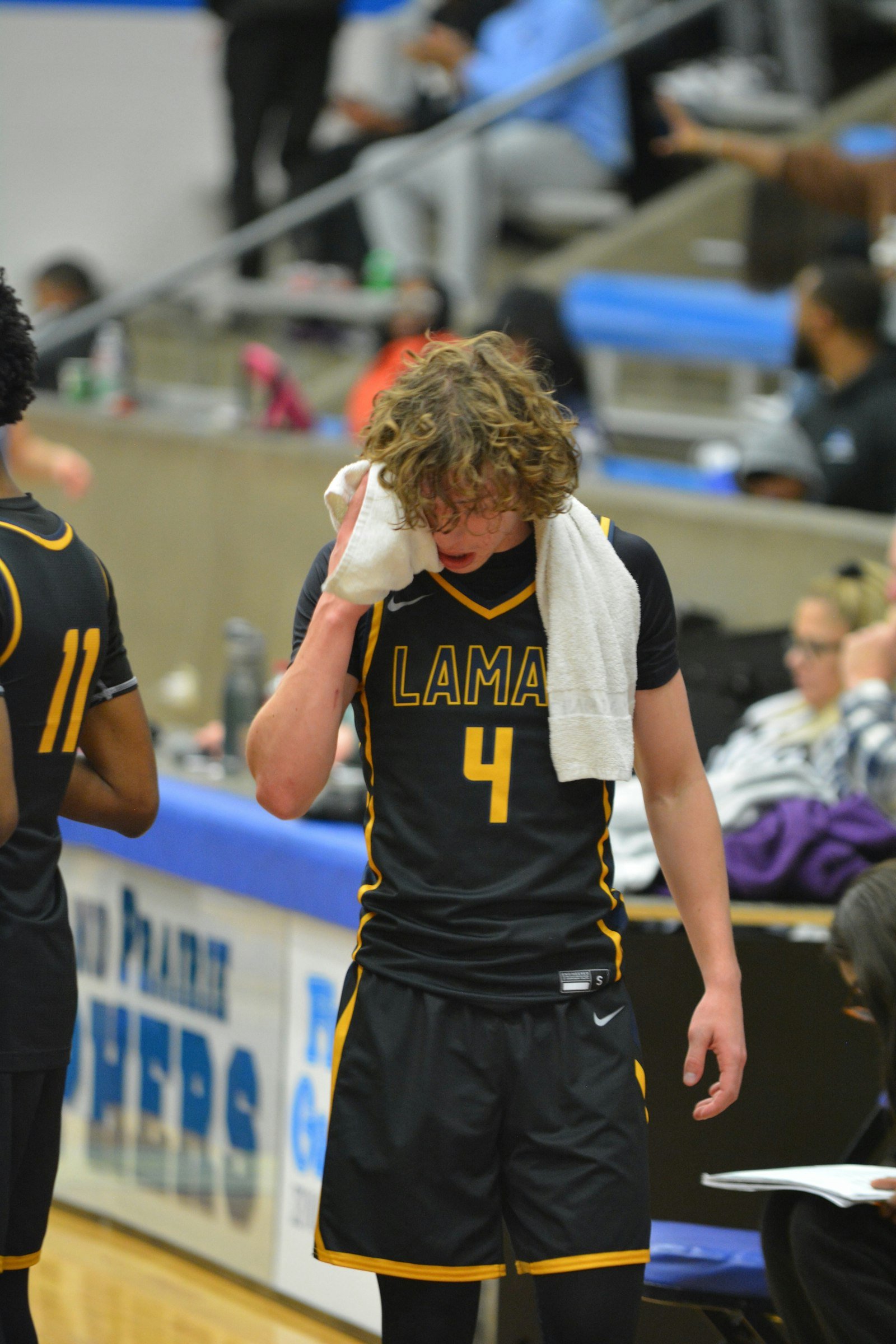
A lot of the people on my table are gym regulars, runners, footballers and weekend hikers. Many of them say the same thing: "My legs still feel heavy three days later." Training in Singapore is hard work. You sweat through your shirt before the warm-up is over, and the soreness seems to hang around longer than it should.
There are good reasons for that, and there are also simple things that make a real difference. Here is what the research says, and what I've learned from working on tired muscles every week.
Why recovery feels harder here
Sweat only cools you when it evaporates. In Singapore's humid air it evaporates slowly, so your body works harder to shed heat and you lose a lot of water and salt along the way. Doctors at Singapore General Hospital point out that this heavy sweating is behind painful cramps in big muscles like the calves and thighs, and that poor sleep and low fitness make the body cope with heat less well.
The heat also slows you down. Local running coaches remind runners that a slower pace in the heat is normal, not a failure. Add late-night sessions, long hours in air-conditioned offices and not enough water, and it's no surprise your body needs extra help to bounce back.
What that soreness actually is
The ache that peaks a day or two after a hard session is called delayed onset muscle soreness, or DOMS. It isn't lactic acid. It comes from tiny strains in muscle fibres when you push harder or differently than usual, plus the inflammation your body uses to repair them. It's a normal part of getting stronger, but it can make stairs, desk chairs and your next workout miserable.
What the research says about recovery
In 2018, a team of sports scientists pulled together 99 studies on recovery after exercise and compared the popular methods side by side: massage, compression clothing, cold water, cryotherapy, active recovery, stretching and more. Their findings were clear:
- Massage came out on top for reducing both soreness and the feeling of fatigue.
- Compression and cold water helped too, but less than massage.
- Massage and cold exposure also nudged down markers of inflammation in the blood.
- Light active recovery, such as an easy spin or walk, eased soreness but not fatigue.
- Stretching on its own made no real difference to soreness.
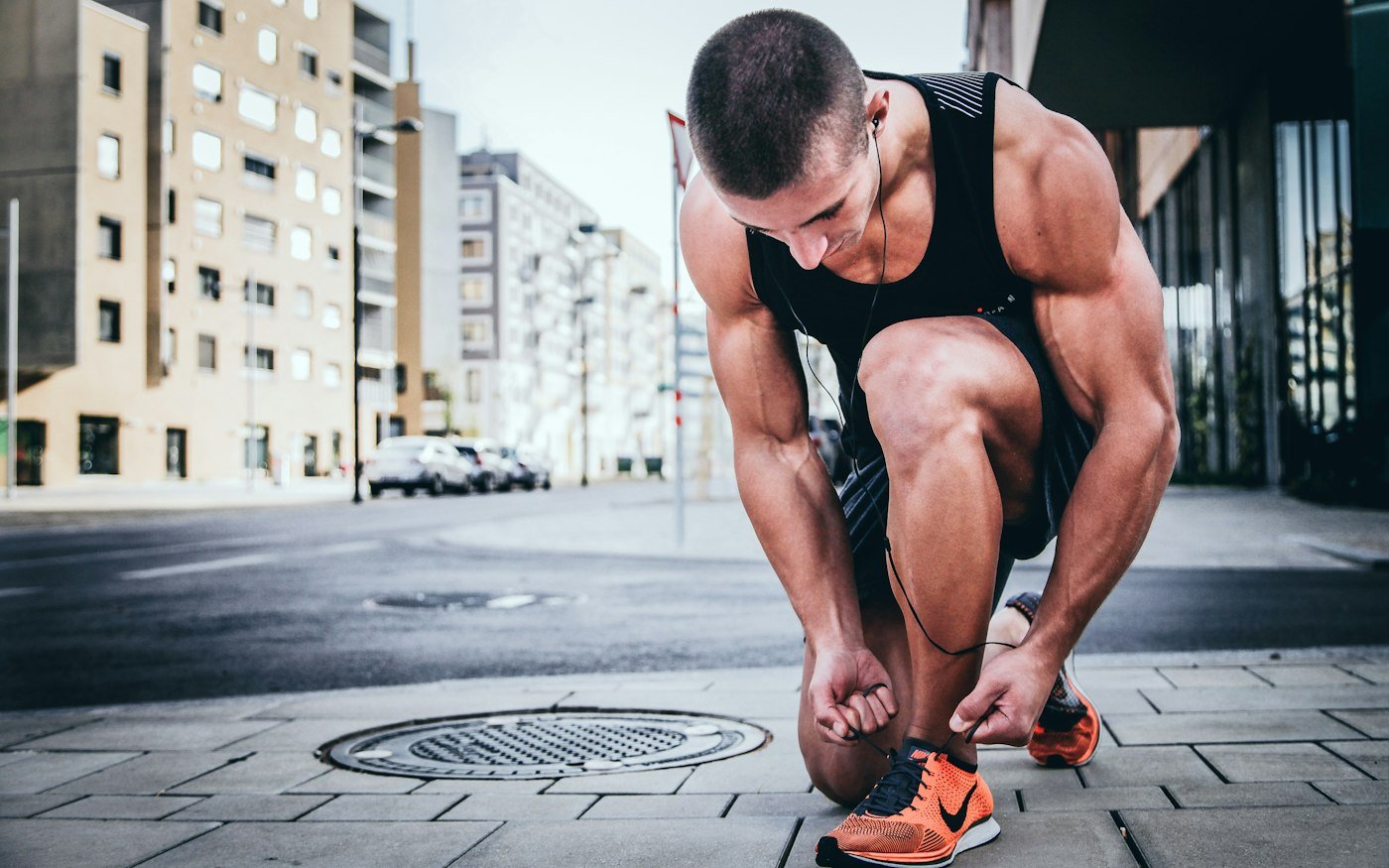
So where does stretching fit?
I'll be honest: if your only goal is to make tomorrow's soreness disappear, stretching isn't the magic fix. Where it really earns its place is mobility. Hips, hamstrings, calves and shoulders get tight from training and from sitting all day, and tight muscles change how you move, which can leave the same spots overloaded session after session.
That's why I pair the two. Massage eases the soreness and fatigue, and assisted stretching gently takes your joints a little further than you can on your own, so you leave feeling looser as well as lighter. It's the thinking behind my Reset combos, which put a sports massage and an assisted stretch into one unhurried session.
My recovery checklist for training in Singapore
- Drink through the day, not just at the gym. Start sessions already hydrated, and add electrolytes after long, sweaty ones.
- Go easy on coffee and alcohol after hard sessions. Both increase fluid loss.
- Keep moving gently the next day. A walk or an easy cycle beats lying on the sofa.
- Protect your sleep. It's when most of the repair happens.
- Plan your massage for a day or two after your hardest week or race, when soreness usually peaks.
- Know the warning signs. Dizziness, headache, confusion or feeling unusually weak in the heat mean stop, cool down and get help.
How I work with gym-goers and runners
Every session starts with a quick chat about your training, what's sore and what you've got coming up. I work firmly where you need it, usually calves, quads, glutes, hips, back and shoulders, and I always check in on pressure. Bigger, stronger and plus-size bodies are all welcome, and so is every level, from first 5K to marathon.
If your legs are still talking to you days after training, it might be time to let someone else do the work. Send me a message through Check Availability with what you've been training for and a time that suits you, and we'll find a slot.
Further reading: this article was inspired by An Evidence-Based Approach for Choosing Post-exercise Recovery Techniques to Reduce Markers of Muscle Damage, Soreness, Fatigue, and Inflammation: A Systematic Review With Meta-Analysis by Dupuy, Douzi, Theurot, Bosquet & Dugué, Frontiers in Physiology (2018). The thoughts and tips above are my own.
Main photo: Lesli Whitecotton on Unsplash